
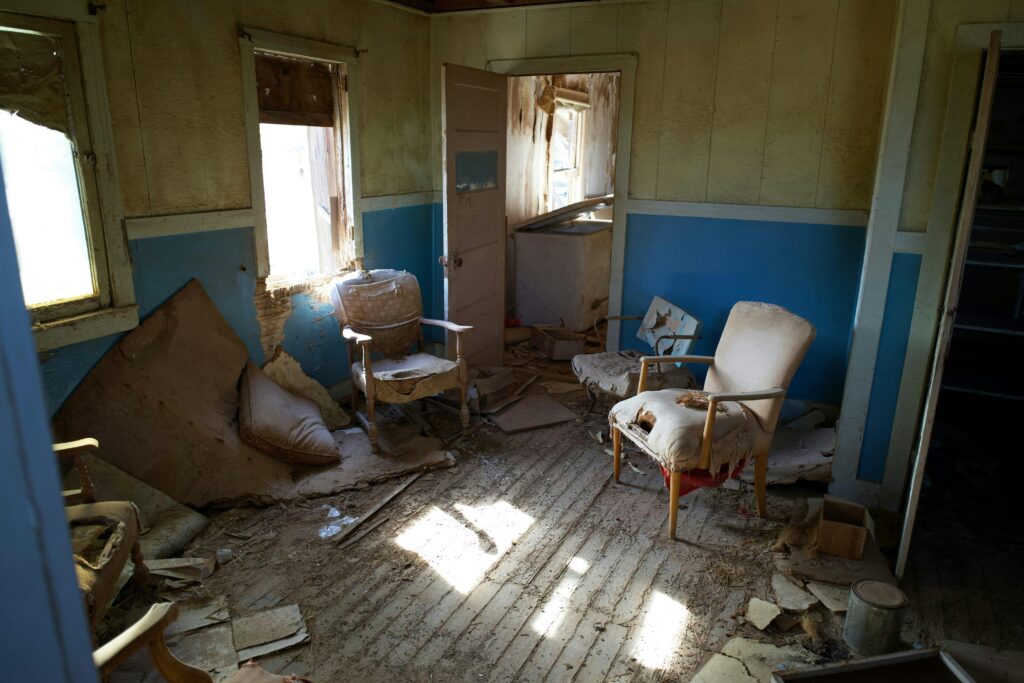
Keeping a home clean goes beyond sweeping floors and wiping tables. While regular cleaning helps maintain order, deep cleaning ensures that hidden dirt, bacteria, and allergens are completely removed.
For many homes in Nigeria—especially in busy urban environments like Abuja—dust, sand particles, and humidity can quickly build up in places that everyday cleaning routines often miss.
That’s why every household should adopt a deep cleaning routine at least a few times each year.
In this guide, we walk through a complete room-by-room deep cleaning checklist designed specifically for Nigerian homes. Whether you plan to clean your home yourself or hire professionals, this checklist will help ensure every corner of your home is properly refreshed.
What Is Deep Cleaning?
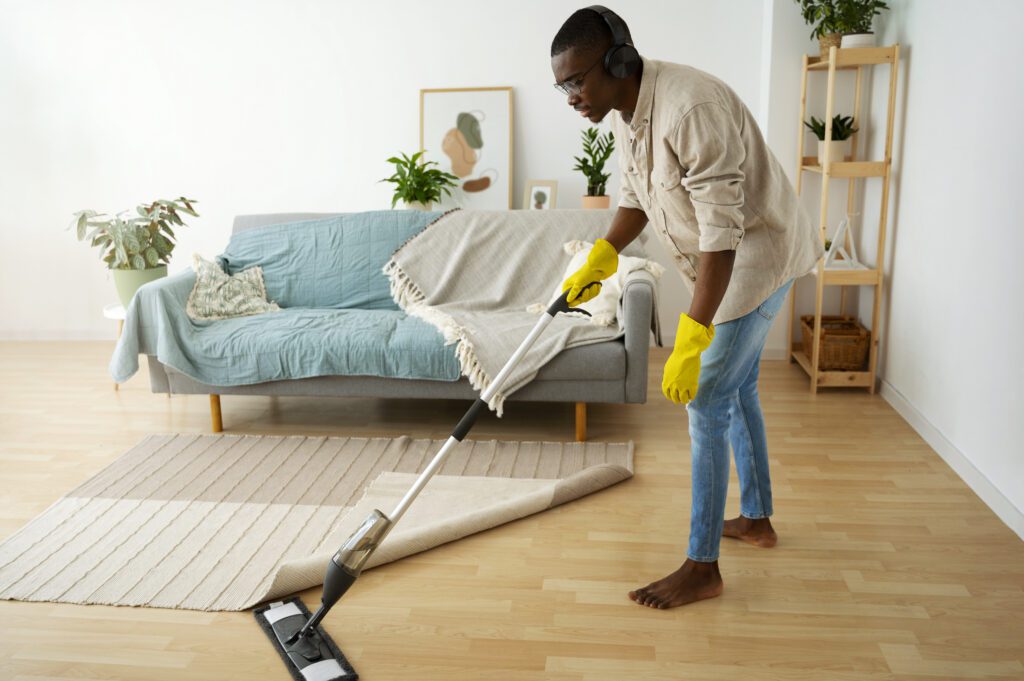
Deep cleaning is a thorough cleaning process that targets hidden dirt, bacteria, and grime that regular cleaning usually overlooks.
Regular cleaning focuses on visible surfaces such as floors, counters, and furniture. Deep cleaning goes further by addressing:
- Hard-to-reach spaces
- Hidden dust buildup
- Grease accumulation
- Bathroom mold and soap scum
- Carpet and upholstery dirt
Deep cleaning restores the hygiene of your living space and improves indoor air quality. According to health guidance from the World Health Organization, maintaining clean indoor environments can significantly reduce exposure to allergens and pollutants.
Why Deep Cleaning Is Important for Homes in Abuja

Homes in Abuja face unique environmental conditions that make deep cleaning necessary.
These include:
Harmattan Dust
During the harmattan season, fine dust particles enter homes through windows and ventilation systems.
Sand and Outdoor Dirt
Daily movement in and out of the house brings sand and soil indoors.
Kitchen Grease
Frequent cooking leads to grease buildup on tiles, cabinets, and kitchen appliances.
Humidity and Mold
Bathrooms and damp areas may develop mold if not cleaned thoroughly.
Because of these conditions, routine cleaning alone is often not enough to maintain a healthy living environment.
How Often Should You Deep Clean Your Home?
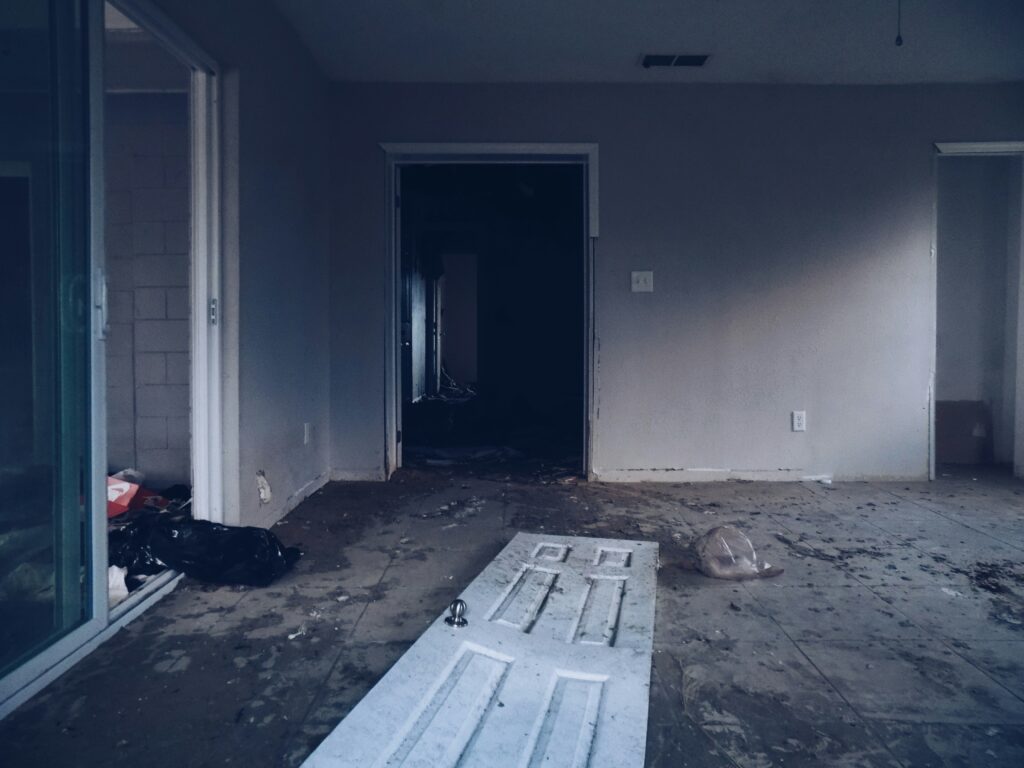
While regular cleaning should be done weekly, deep cleaning should be scheduled periodically.
A good guideline is:
- Every 3–6 months for full house deep cleaning
- Monthly for kitchens and bathrooms
- Seasonally during harmattan or rainy seasons
- Before moving into a new home
- After renovation or construction work
Establishing this routine helps prevent the gradual buildup of dirt and bacteria.
Room-by-Room Deep Cleaning Checklist
Below is a practical checklist that ensures every part of your home receives proper attention.
Living Room Deep Cleaning Checklist

The living room is one of the most frequently used spaces in a home. It collects dust, crumbs, and dirt daily.
A proper deep clean should include:
Furniture Cleaning
- Vacuum sofas and cushions thoroughly
- Clean underneath and behind sofas
- Wipe wooden furniture with appropriate polish
Curtains and Windows
- Wash or vacuum curtains
- Clean window frames and tracks
- Wipe glass surfaces
Floors and Carpets
- Vacuum carpets deeply
- Shampoo rugs if necessary
- Mop floors with disinfectant cleaner
Electronics and Surfaces
- Dust televisions and entertainment units
- Wipe remote controls and switches
- Clean ceiling fans and light fixtures
These steps help remove dust that often accumulates in high-traffic areas.
Kitchen Deep Cleaning Checklist
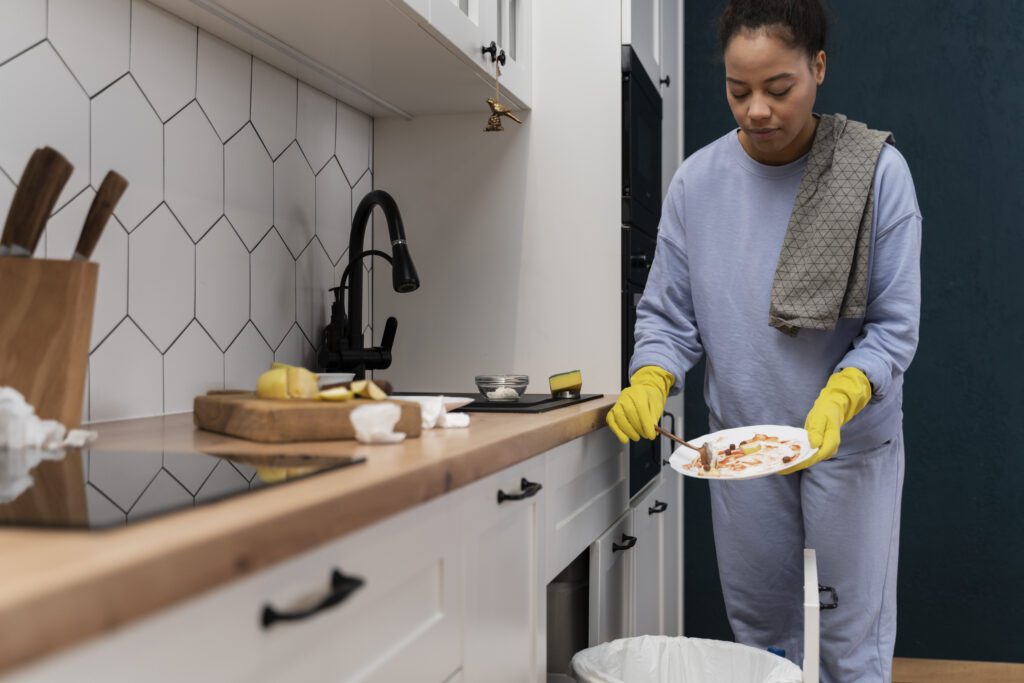
The kitchen requires special attention because it handles food preparation daily.
Grease buildup and hidden food particles can quickly attract bacteria.
Appliances
- Clean the inside and outside of refrigerators
- Remove grease from stove-tops and ovens
- Clean microwave interiors
Cabinets and Drawers
- Empty cabinets and wipe interior surfaces
- Remove crumbs and food debris
- Clean cabinet doors and handles
Sink and Plumbing Areas
- Scrub sinks thoroughly
- Disinfect drain areas
- Remove limescale from taps
Floors and Walls
- De-grease kitchen tiles
- Mop floors with disinfectant
- Clean behind appliances
Regular deep cleaning keeps the kitchen hygienic and prevents pests.
Bathroom Deep Cleaning Checklist
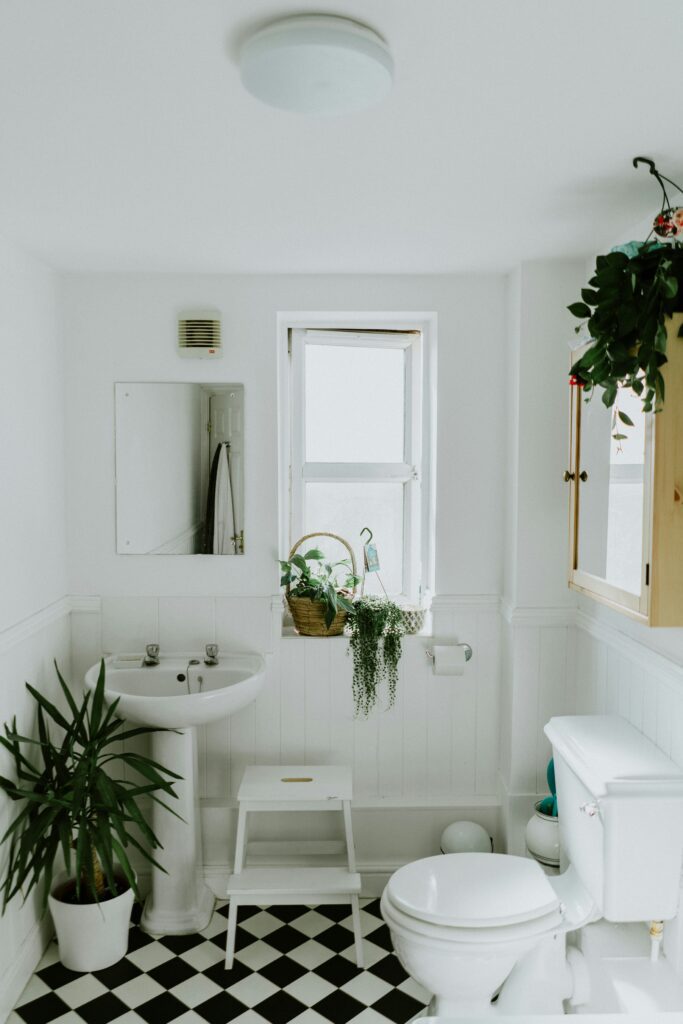
Bathrooms are areas where moisture can lead to mold, mildew, and bacteria buildup.
A thorough bathroom deep cleaning should include:
Toilet and Sink
- Scrub toilet bowls thoroughly
- Clean toilet tanks and lids
- Disinfect sink surfaces
Shower Areas
- Remove soap scum from tiles
- Clean shower heads
- Scrub grout lines
Mirrors and Fixtures
- Polish mirrors
- Remove water stains from taps
- Clean bathroom cabinets
Floor and Corners
- Mop floors with disinfectant
- Clean corners and edges
- Ensure proper ventilation
These steps help prevent mold and unpleasant odors.
Bedroom Deep Cleaning Checklist
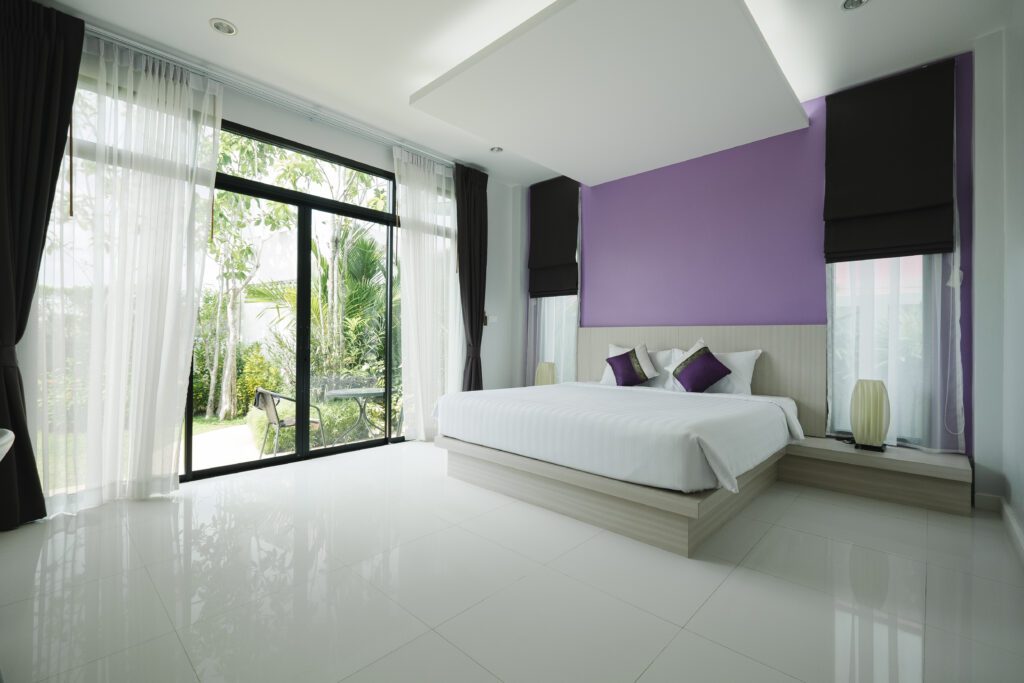
Bedrooms may appear clean, but they can contain dust mites and allergens.
Bedding and Mattresses
- Wash bed sheets and pillowcases
- Vacuum mattresses
- Rotate mattresses if necessary
Wardrobes and Storage
- De-clutter wardrobes
- Wipe interior shelves
- Clean wardrobe doors and handles
Surfaces and Decorations
- Dust picture frames
- Clean bedside tables
- Wipe lamps and lighting fixtures
Floors
- Vacuum carpets
- Mop tiled floors
- Clean underneath the bed
A deep-cleaned bedroom improves comfort and sleep quality.
Areas Often Forgotten During Cleaning
Many homes overlook certain spaces during regular cleaning routines.
These areas should also be included in deep cleaning:
- Ceiling fans and air vents
- Door handles and switches
- Window tracks
- Behind heavy appliances
- Underneath furniture
Cleaning these hidden areas helps eliminate accumulated dust and allergens.
Signs Your Home Needs Deep Cleaning
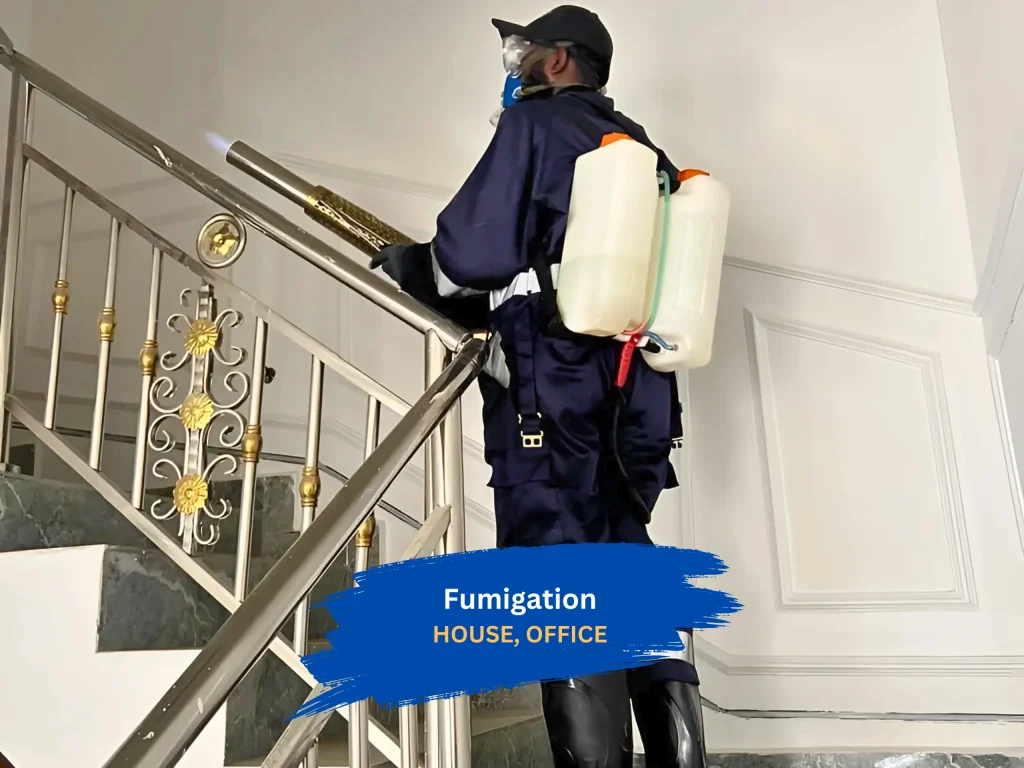
Sometimes it’s easy to overlook the need for deep cleaning. Here are a few signs that it may be time for a full deep clean:
- Persistent musty odors
- Visible grime on tiles or grout
- Dust accumulating quickly after cleaning
- Increased allergy symptoms indoors
- Dull-looking floors or carpets
When these signs appear, a deeper cleaning process can restore freshness to the home.
DIY Deep Cleaning vs Professional Cleaning
Some homeowners prefer to perform deep cleaning themselves, while others choose professional services.
DIY cleaning can work for smaller tasks, but professional cleaning services provide advantages such as:
- Access to industrial cleaning equipment
- Professional cleaning techniques
- Safe cleaning chemicals
- Faster and more thorough results
Professional cleaners also handle difficult areas like upholstery extraction, heavy grease removal, and high-level dusting.
Final Thoughts

Deep cleaning plays an essential role in maintaining a healthy and comfortable home environment.
While regular cleaning helps maintain order, deep cleaning ensures that hidden dirt, bacteria, and allergens are completely removed.